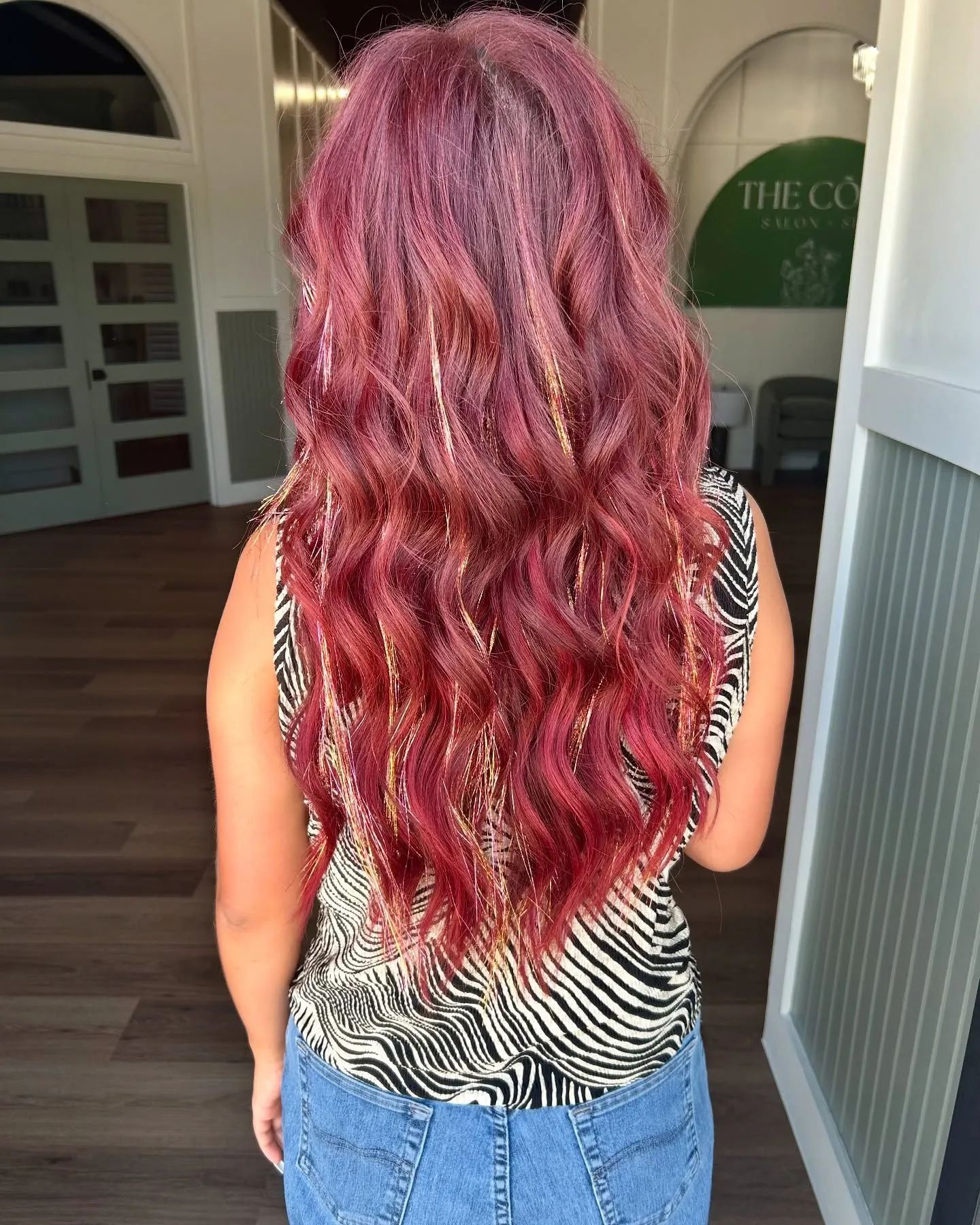
Hair Feeling Dry and Brittle No Matter What You Use? What's Really Going On
July 16, 2026
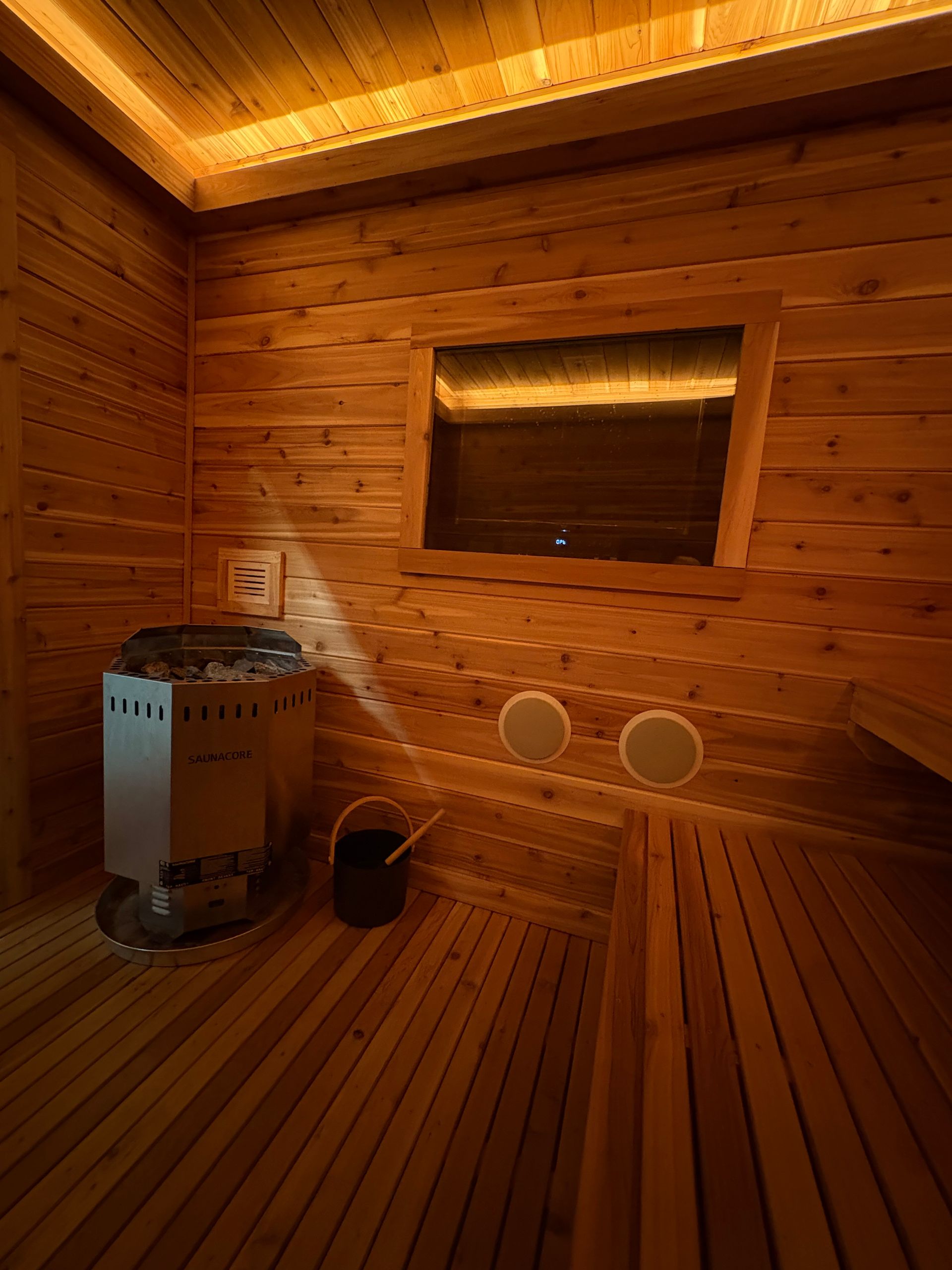
Habits decide whether a sauna helps your skin or just leaves you dehydrated. Drink a full glass of water before you go in. Keep the session to about 15 to 20 minutes while your body is still learning the heat. Go in with a clean face, since makeup and heavy sunscreen melt into your pores at that temperature. Rinse with cool water afterward, then press on a light moisturizer while your skin is still damp. Two or three sessions a week is plenty.
How to Get Real Results From a Session
Quick Answer: Hair usually turns dry and brittle when the outer cuticle is roughed up and moisture escapes faster than it comes back. The most common culprits are frequent heat styling, harsh or over-frequent washing, color and chemical services, dry air and hard water, and rough day-to-day handling. Hormonal shifts and diet can play a part too. Store-bought masks and oils often only coat the surface, which is why the problem keeps returning. Lasting improvement comes from gentler habits, the right products for your hair type, and professional treatments that rebuild the strand from the inside.
You have tried the deep-conditioning mask, the expensive oil everyone swears by, the leave-in that promised silk, and still your hair feels like straw by mid-afternoon. It looks dull in photos, snaps off when you brush it, and refuses to hold a style. If you are starting to wonder whether anything actually works, you are not imagining it, and you are not doing something obviously wrong. Dry, brittle hair is one of the most stubborn problems to fix at home because the products most of us reach for treat the symptom instead of the cause.
The good news is that hair does not become dry and brittle for mysterious reasons. There is almost always a clear mix of factors behind it, and once you understand what is pulling moisture out faster than it goes back in, the path to softer, stronger hair gets a lot more obvious. Here is what is really going on, and why the bottle in your shower has not solved it.
Habits decide whether a sauna helps your skin or just leaves you dehydrated. Drink a full glass of water before you go in. Keep the session to about 15 to 20 minutes while your body is still learning the heat. Go in with a clean face, since makeup and heavy sunscreen melt into your pores at that temperature. Rinse with cool water afterward, then press on a light moisturizer while your skin is still damp. Two or three sessions a week is plenty.
How to Get Real Results From a Session
What "Dry and Brittle" Actually Means for Your Hair
Every strand of hair is wrapped in an outer layer called the cuticle, made of tiny overlapping scales a bit like shingles on a roof. When those scales lie flat and smooth, they lock moisture inside and bounce light back, so hair looks shiny and feels soft. When the cuticle gets roughed up and lifts, moisture escapes, the surface catches the light unevenly, and hair starts to look dull, feel rough, and snap at the ends.
Brittle hair is essentially hair that has lost its ability to hold onto moisture. Once the cuticle is compromised, the inside of the strand is exposed and dries out, and dry hair is fragile hair. That is why brittleness so often shows up first as split ends, frizz, and breakage when you comb through. Understanding this one idea, that the outer layer is your hair's moisture barrier, makes every cause below make sense.
Habits decide whether a sauna helps your skin or just leaves you dehydrated. Drink a full glass of water before you go in. Keep the session to about 15 to 20 minutes while your body is still learning the heat. Go in with a clean face, since makeup and heavy sunscreen melt into your pores at that temperature. Rinse with cool water afterward, then press on a light moisturizer while your skin is still damp. Two or three sessions a week is plenty.
How to Get Real Results From a Session
The Everyday Habits Quietly Drying You Out
Most dryness is not caused by one dramatic thing. It builds up from a handful of ordinary routines repeated day after day.
Heat styling on repeat
Blow dryers, flat irons, curling wands, and hot combs all lift and weaken the cuticle over time, especially on high settings and especially when used daily. Heat is one of the most common reasons otherwise healthy hair turns dry and rough, and the damage is cumulative rather than instant.
Washing too often, or with the wrong shampoo
Your scalp produces natural oils that travel down the strand and keep it conditioned. Shampooing too frequently, or using a harsh, stripping formula, washes those oils away faster than your scalp can replace them. Sulfate-heavy shampoos in particular can pull moisture from the hair, leaving it squeaky but parched.
Color, lightening, and chemical services
Coloring, bleaching, perming, and chemical straightening all work by opening the cuticle to change the strand, and each service asks something of the hair's structure. Done thoughtfully and spaced out, they can be part of a healthy routine, but stacked too close together or pushed too far at home, they leave hair porous and thirsty.
Rough handling you barely notice
Brushing hair while it is soaking wet, scrubbing it dry with a terry towel, sleeping on cotton, and pulling it back into tight ponytails or buns all create friction and tension that fray the cuticle and snap fragile strands. These feel harmless in the moment, but they add up.
Habits decide whether a sauna helps your skin or just leaves you dehydrated. Drink a full glass of water before you go in. Keep the session to about 15 to 20 minutes while your body is still learning the heat. Go in with a clean face, since makeup and heavy sunscreen melt into your pores at that temperature. Rinse with cool water afterward, then press on a light moisturizer while your skin is still damp. Two or three sessions a week is plenty.
How to Get Real Results From a Session
Why the Products You Already Own Aren't Fixing It
Here is the frustrating part. Many at-home masks and oils are designed to coat the outside of the strand and make it feel smooth for a wash or two. That temporary slip is nice, but it does not rebuild what has actually broken down inside the hair, so the dryness returns as soon as the coating rinses away.
A few things usually go wrong at home. The product may simply be wrong for your hair type, so a rich cream meant for coarse curls weighs down fine hair while a lightweight formula does nothing for thick, textured strands. Layers of styling product and hard-water minerals can build up and block moisture from getting in at all. And leave-on treatments can only do so much when the underlying cuticle is lifted and the ends are already split. Once a strand splits, no product reseals it, which is why hair can feel like it is getting worse no matter how much you pile on.
This is the gap professional treatments are built to close. Bond-building and deep-repair services work inside the strand to reinforce its structure, while a professional gloss can smooth and seal the cuticle so moisture stays put. Pair that with an honest assessment of your hair type, your water, and your styling habits, and you finally get recommendations aimed at the cause rather than the surface.
Habits decide whether a sauna helps your skin or just leaves you dehydrated. Drink a full glass of water before you go in. Keep the session to about 15 to 20 minutes while your body is still learning the heat. Go in with a clean face, since makeup and heavy sunscreen melt into your pores at that temperature. Rinse with cool water afterward, then press on a light moisturizer while your skin is still damp. Two or three sessions a week is plenty.
How to Get Real Results From a Session
How a Salon Approaches Dry, Brittle Hair
Walking into a chair with dry, brittle hair is not about a single miracle service. It is about matching the right combination to what your strands and scalp actually need.
A real look at your hair and scalp
A stylist can see things you cannot in your own mirror, from the pattern of your breakage to how porous your ends are to whether your scalp is part of the story. That read shapes everything that follows.
Treatments that rebuild rather than coat
Deep-conditioning and bond-repair treatments are formulated to restore hydration and reinforce the strand from within, addressing breakage instead of hiding it. Applied and processed correctly, they do work a rinse-out mask at home cannot.
A fresh, healthy line at the ends
Trimming away split, frazzled ends stops splits from traveling up the strand and instantly makes hair look and feel healthier. Regular trims are one of the simplest, most effective moves against ongoing breakage.
Smoothing and everyday guidance
Professional smoothing services can calm frizz and improve manageability, and just as importantly, your stylist can steer you toward the right products, the right wash frequency, and the right styling temperature for your specific hair, so you stop fighting it at home.
Habits decide whether a sauna helps your skin or just leaves you dehydrated. Drink a full glass of water before you go in. Keep the session to about 15 to 20 minutes while your body is still learning the heat. Go in with a clean face, since makeup and heavy sunscreen melt into your pores at that temperature. Rinse with cool water afterward, then press on a light moisturizer while your skin is still damp. Two or three sessions a week is plenty.
How to Get Real Results From a Session
Small Changes That Protect Hair Between Visits
You do not have to overhaul everything at once. A few gentle shifts make a real difference and help any professional treatment last longer.
Wash a little less often and concentrate shampoo on your scalp, then let it rinse through the lengths rather than scrubbing it in. Follow with conditioner every time, applied from mid-strand to ends. Swap the terry towel for a soft cotton tee or microfiber to blot, not rub, and let hair air dry when you can. When you do use heat, keep it on a lower setting and always use a heat protectant. Detangle with a wide-tooth comb, starting at the ends and working up, and reach for a silk or satin pillowcase to cut overnight friction.
Warning: Resist the urge to fix dryness by piling on more heavy oil and butter every day. Overloading dry hair can leave it greasy at the roots while the ends stay just as brittle, and it can build up and block the lightweight moisture your hair actually absorbs. If your hair looks worse the more product you add, that is a sign the real issue is cuticle damage and breakage, which needs a different approach rather than a heavier one.
Habits decide whether a sauna helps your skin or just leaves you dehydrated. Drink a full glass of water before you go in. Keep the session to about 15 to 20 minutes while your body is still learning the heat. Go in with a clean face, since makeup and heavy sunscreen melt into your pores at that temperature. Rinse with cool water afterward, then press on a light moisturizer while your skin is still damp. Two or three sessions a week is plenty.
How to Get Real Results From a Session
Frequently Asked Questions
Why is my hair dry and brittle even though I use masks and oils?
Many masks and oils only smooth the hair surface temporarily without repairing internal damage. Heat styling, chemical treatments, and breakage can weaken strands underneath. Long-term improvement often requires professional treatments, gentle care habits, and products suited to your hair’s needs.
Can hard water really make my hair feel dry?
Yes, hard water can leave mineral deposits on hair, causing a rough, coated feeling and making moisture harder to absorb. Over time, buildup may prevent conditioners from working effectively. A water filter, clarifying treatments, and proper hair care can help restore softness.
How often should I wash dry, brittle hair?
Dry hair usually benefits from less frequent washing to prevent stripping away natural oils. Shampoo mainly focuses on the scalp while conditioner protects lengths. Washing every few days may work well, but your routine should depend on your scalp’s oil production and hair texture.
Will regular trims actually help with dryness?
Trims do not add moisture, but they remove damaged split ends that make hair appear dry and fragile. Cutting away splits helps prevent further breakage from traveling upward. Regular trims keep your hair looking healthier while protecting stronger strands from additional damage.
Could my dry hair be a sign of something internal?
Sometimes dry, fragile hair can be connected to internal changes, including hormonal shifts or nutrient deficiencies. Low protein, iron, zinc, or other nutrients may affect hair strength. If dryness appears with unusual shedding or changes, consider discussing concerns with a healthcare professional.
Is it too late if my hair is already badly damaged?
It is rarely too late to improve damaged hair’s appearance and feel. Severely split ends may need trimming, but professional treatments, gentle styling, and proper products can restore softness. With consistency, many people notice stronger, healthier-looking hair over time.
Habits decide whether a sauna helps your skin or just leaves you dehydrated. Drink a full glass of water before you go in. Keep the session to about 15 to 20 minutes while your body is still learning the heat. Go in with a clean face, since makeup and heavy sunscreen melt into your pores at that temperature. Rinse with cool water afterward, then press on a light moisturizer while your skin is still damp. Two or three sessions a week is plenty.
How to Get Real Results From a Session
Bringing Softness Back to Your Hair
Dry, brittle hair is not a sign that you are doing everything wrong or that your hair is a lost cause. It is the visible result of a lifted, worn cuticle losing moisture faster than it can be replaced, driven by some mix of heat, washing habits, chemical services, your local air and water, and sometimes changes happening inside your body. Store-bought products keep disappointing you because they smooth the surface instead of rebuilding the strand. Once you shift a few daily habits and pair them with treatments aimed at the real cause, softer and more resilient hair is genuinely within reach.
Book a hair-health consultation — Bring your dry, brittle hair to a stylist who will assess your strands, scalp, and daily habits, then create a personalized plan with deep-repair and bond treatments, a fresh trim, and the right products for your hair type instead of another temporary surface fix. With 15+ years of experience serving Greenville, Texas, The Cõve Salon + Spa
provides
expert hair care in a calm, restorative setting where your appointment feels as good as your hair looks. Reach out to schedule your visit and begin restoring softness, strength, and healthy-looking hair.