Balayage vs Highlights vs Full Color: Which Suits Your Hair Goals?
August 25, 2026
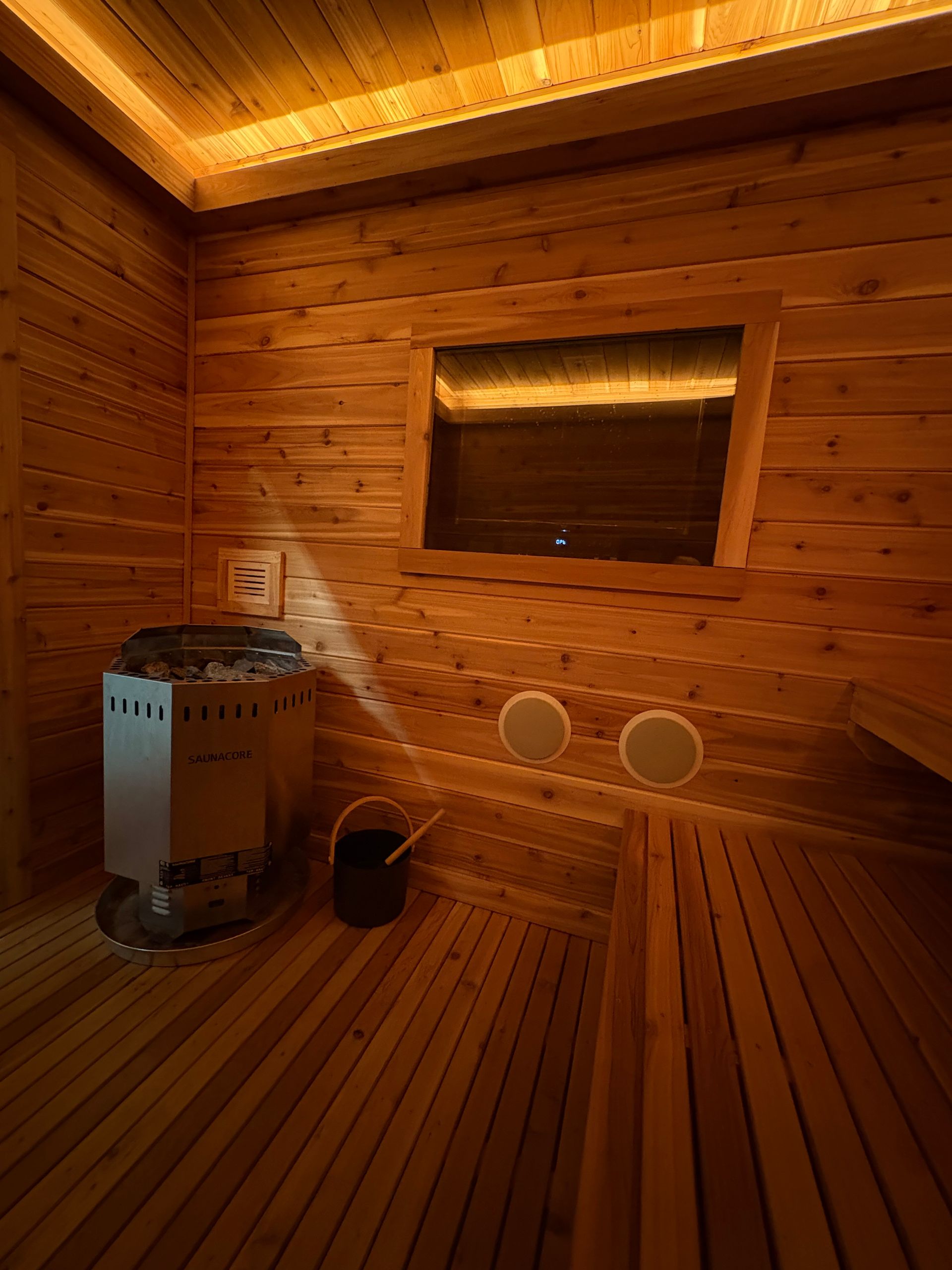
Habits decide whether a sauna helps your skin or just leaves you dehydrated. Drink a full glass of water before you go in. Keep the session to about 15 to 20 minutes while your body is still learning the heat. Go in with a clean face, since makeup and heavy sunscreen melt into your pores at that temperature. Rinse with cool water afterward, then press on a light moisturizer while your skin is still damp. Two or three sessions a week is plenty.
How to Get Real Results From a Session
Quick Answer: Balayage is a hand-painted technique that creates soft, sun-kissed dimension with a gentle grow-out, usually refreshed every three to four months. Highlights use foil to lift sections evenly from root to tip, giving brighter, more structured contrast that typically needs a touch-up every six to ten weeks. Full color changes your entire base shade in one uniform application, which offers the most dramatic change but shows regrowth the fastest, often within four to six weeks. The right choice comes down to how much contrast you want, how much upkeep fits your schedule, and how much you'd like to shift from your natural color.
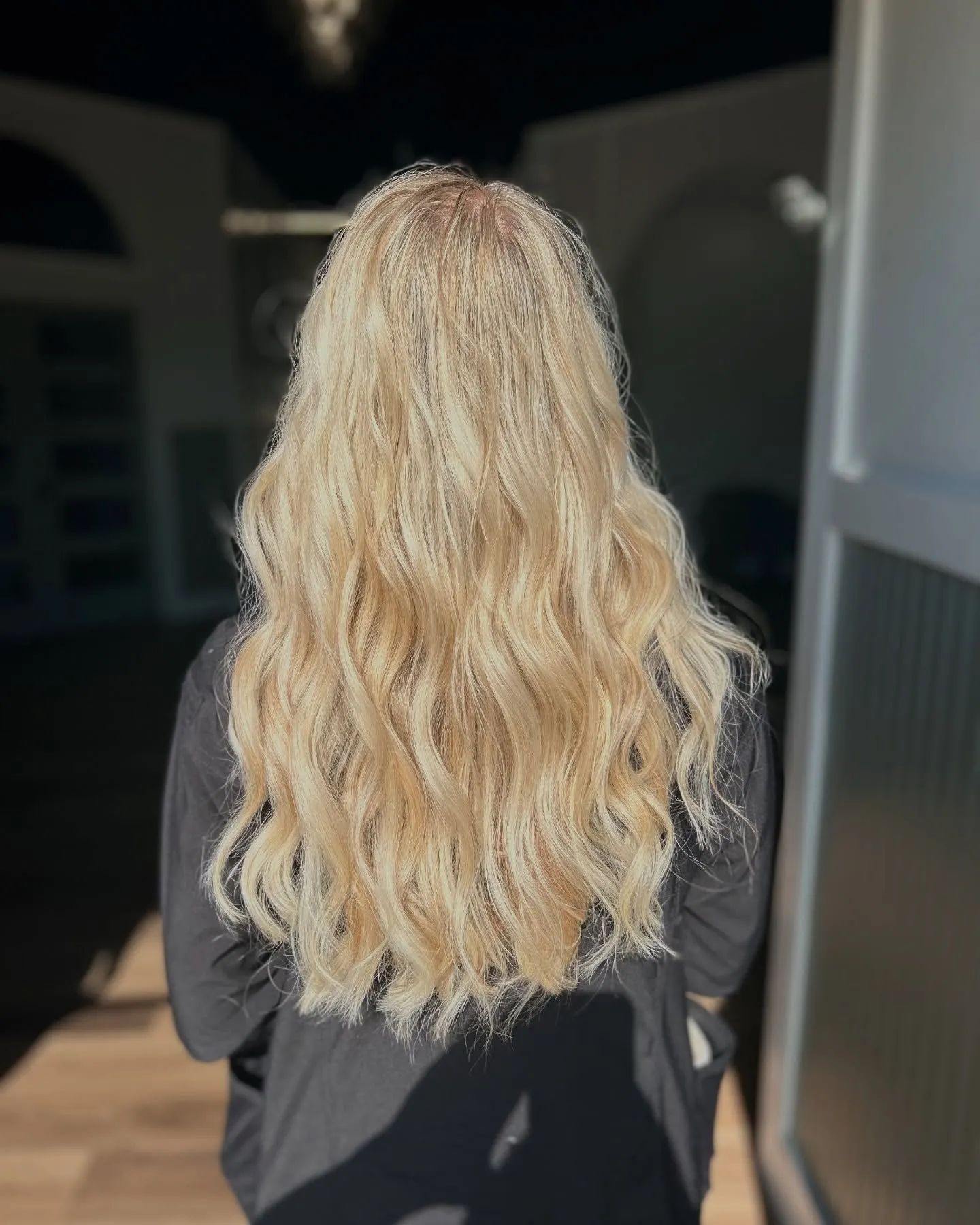
You bring in three photos to a consultation, and none of them show the same technique. One is a soft, sunlit blend that looks like the woman spent a summer outdoors doing nothing but swimming and reading. Another is bright, defined streaks that catch the light from every angle in the room. The third is a completely different base color, rich and uniform from root to end. All three are beautiful. They're also three entirely different services, with different upkeep, different cost over time, and different outcomes depending on your starting hair. Figuring out which one actually gets you what you pictured starts with understanding what each technique does to the strand itself.
Habits decide whether a sauna helps your skin or just leaves you dehydrated. Drink a full glass of water before you go in. Keep the session to about 15 to 20 minutes while your body is still learning the heat. Go in with a clean face, since makeup and heavy sunscreen melt into your pores at that temperature. Rinse with cool water afterward, then press on a light moisturizer while your skin is still damp. Two or three sessions a week is plenty.
How to Get Real Results From a Session
What Each Technique Actually Does
Balayage
The word means "to sweep" in French, and that's a fairly literal description of the process. Your colorist hand-paints lightener onto the surface of chosen sections, usually starting around mid-shaft and getting denser toward the ends. No foil touches the placement. That's what gives balayage its soft, graduated look instead of a hard line of color.
Highlights
Traditional highlights isolate small sections of hair, wrap them in foil, then saturate each section evenly from root to tip. The foil holds the lightener in place and keeps the application precise, which is why highlights read as more structured and uniform than balayage. They can be done as a full head or a partial placement — around the face, or through just the top layer.
Full Color
A full color, sometimes called all-over color or a single-process, applies one formula to the entire head to change your base shade. It can lighten, darken, or shift your natural tone in a new direction, and because every section gets treated the same way, the result is even color from root to end with no dimensional pieces layered in.
Habits decide whether a sauna helps your skin or just leaves you dehydrated. Drink a full glass of water before you go in. Keep the session to about 15 to 20 minutes while your body is still learning the heat. Go in with a clean face, since makeup and heavy sunscreen melt into your pores at that temperature. Rinse with cool water afterward, then press on a light moisturizer while your skin is still damp. Two or three sessions a week is plenty.
How to Get Real Results From a Session
How Each One Looks as It Grows Out
This is where the three techniques really separate, and it's often the detail that matters most between appointments.
Balayage grows out gently. Because the color starts away from the root, there's rarely a hard line as new growth comes in — the transition from your natural root color to the lightened ends stays soft. That's the whole reason balayage has a reputation as the lowest-maintenance lightening option.
Highlights show regrowth sooner. Foil placement lightens hair close to the root, so new growth creates a more visible line of contrast within a matter of weeks. Face-framing sections tend to show it first, since that's where your eye naturally lands.
Full color shows the most obvious regrowth of the three. A single, uniform shade means any difference between new growth and treated hair stands out clearly, especially after a significant lightening or darkening. It's the technique that typically asks for the most frequent salon visits to keep the base looking fresh.
Habits decide whether a sauna helps your skin or just leaves you dehydrated. Drink a full glass of water before you go in. Keep the session to about 15 to 20 minutes while your body is still learning the heat. Go in with a clean face, since makeup and heavy sunscreen melt into your pores at that temperature. Rinse with cool water afterward, then press on a light moisturizer while your skin is still damp. Two or three sessions a week is plenty.
How to Get Real Results From a Session
Maintenance Rhythm to Expect
Balayage clients generally return every three to four months for a full refresh, sometimes stretching to five or six depending on how much contrast they want to hold onto. A gloss or toning visit in between keeps the tone from drifting without a full re-application.
Foil highlights need a touch-up more often — usually every six to ten weeks. Softer, root-adjacent placements like babylights or a shadow root can stretch that window a bit, but the foil-based structure still shows regrowth faster than balayage does.
Full color at the root typically needs attention every four to six weeks, since any shift from your natural regrowth becomes visible in a fairly narrow window. If the shade you chose sits close to your natural level, that interval can stretch a little longer.
Tip: Bring reference photos to your consultation and be specific about what you like in each one — the brightness, the placement, the contrast level. A colorist can usually tell whether a photo shows balayage, foil highlights, or a full-color result, and that detail helps translate your inspiration into a formula that will actually work on your base color.
Habits decide whether a sauna helps your skin or just leaves you dehydrated. Drink a full glass of water before you go in. Keep the session to about 15 to 20 minutes while your body is still learning the heat. Go in with a clean face, since makeup and heavy sunscreen melt into your pores at that temperature. Rinse with cool water afterward, then press on a light moisturizer while your skin is still damp. Two or three sessions a week is plenty.
How to Get Real Results From a Session
Matching the Technique to Your Hair Goals
If your priority is fewer salon visits and a soft, blended look that doesn't demand precise root touch-ups, balayage is generally the better fit. It tends to work especially well on hair with movement, since the hand-painted placement follows waves and curls naturally rather than fighting them.
If you want a noticeable, even lift throughout your hair — particularly from a darker base, where you want real dimension instead of a subtle sweep — highlights are the stronger option. Foils also allow more precise placement if you want brightness concentrated somewhere specific, like around your face.
Full color is the technique built for changing your overall shade. Covering gray more uniformly, going noticeably darker or lighter across the board, correcting a color you no longer like — an all-over application gets you there in one process rather than building it piece by piece.
And a lot of clients land somewhere between two of these. A balayage base with a few face-framing foils, or a full color with balayage layered on top for extra dimension, blends the low-maintenance grow-out of balayage with the brightness of foils exactly where it matters most.
Habits decide whether a sauna helps your skin or just leaves you dehydrated. Drink a full glass of water before you go in. Keep the session to about 15 to 20 minutes while your body is still learning the heat. Go in with a clean face, since makeup and heavy sunscreen melt into your pores at that temperature. Rinse with cool water afterward, then press on a light moisturizer while your skin is still damp. Two or three sessions a week is plenty.
How to Get Real Results From a Session
What to Know About Hair Health
Balayage and highlights both typically involve a lightener, so there's some degree of chemical processing either way. What actually differs is how much hair gets treated at once. Balayage usually processes fewer total strands since only chosen sections are painted, while a full head of foils can treat more hair overall. Full color doesn't necessarily involve lightening at all if the shade sits close to or darker than your natural level, which can mean a gentler process depending on the formula your colorist chooses.
The consultation matters more than the technique you pick. Your colorist should assess your hair's current condition, prior chemical history, and porosity before recommending a formula — that's standard practice at a salon worth trusting, and it's the single biggest factor in how your hair looks and feels once the color is finished.
Warning: Skipping the consultation and asking for a dramatic technique change in one visit — say, going from box-color black to a full head of blonde highlights — can put real stress on the hair. A colorist may recommend spacing a big change across two or more appointments, and that guidance is worth following even when it means waiting a little longer for the full result.
Habits decide whether a sauna helps your skin or just leaves you dehydrated. Drink a full glass of water before you go in. Keep the session to about 15 to 20 minutes while your body is still learning the heat. Go in with a clean face, since makeup and heavy sunscreen melt into your pores at that temperature. Rinse with cool water afterward, then press on a light moisturizer while your skin is still damp. Two or three sessions a week is plenty.
How to Get Real Results From a Session
Living With Your Color Between Visits
A few habits help any of these three techniques hold up. Wash with a sulfate-free formula, since sulfates strip color faster than gentler cleansers do. Space out washes when you can — fewer washes mean less fading. Use a heat protectant before styling tools touch your hair, and reach for a color-safe conditioning treatment regularly, since porous, lightened hair loses moisture faster than untreated strands. A gloss or toning service between full appointments, no matter which of the three you chose, keeps brassiness in check and the overall tone looking fresh instead of tired.
Habits decide whether a sauna helps your skin or just leaves you dehydrated. Drink a full glass of water before you go in. Keep the session to about 15 to 20 minutes while your body is still learning the heat. Go in with a clean face, since makeup and heavy sunscreen melt into your pores at that temperature. Rinse with cool water afterward, then press on a light moisturizer while your skin is still damp. Two or three sessions a week is plenty.
How to Get Real Results From a Session
Frequently Asked Questions
Is balayage more expensive than highlights?
Pricing varies by salon, stylist level, and how much hair is treated. Frequency matters more than per visit cost. Balayage is refreshed less often, so yearly spending often evens out despite a higher upfront appointment.
Can I switch from highlights to balayage?
Yes, and many clients do. A skilled colorist can blend existing foil lightened sections into a softer hand painted placement, sometimes in one visit and sometimes across two, depending on how much contrast already exists.
Will balayage or highlights work on dark hair?
Both can. On darker bases, colorists usually build a custom formula that lifts chosen sections gradually, protecting hair integrity better than a single aggressive pass. Full color also works if you prefer one uniform shift.
How do I decide between balayage and full color if I just want a change?
Start with how much shift you want. If you like your base but want brightness and movement, balayage adds dimension while your natural tone stays. If you want one entirely new shade, choose full color.
Does full color cover gray better than balayage or highlights?
Full color gives the most uniform gray coverage because the formula applies evenly throughout. Balayage and highlights soften gray by blending it with lighter pieces, which some clients prefer, though coverage is not as consistent.
How often will I need to be in the salon chair with each option?
Plan on roughly three to four months for balayage, six to ten weeks for highlights, and four to six weeks for full color at the root. Optional gloss visits between appointments keep tone looking fresh.
Habits decide whether a sauna helps your skin or just leaves you dehydrated. Drink a full glass of water before you go in. Keep the session to about 15 to 20 minutes while your body is still learning the heat. Go in with a clean face, since makeup and heavy sunscreen melt into your pores at that temperature. Rinse with cool water afterward, then press on a light moisturizer while your skin is still damp. Two or three sessions a week is plenty.
How to Get Real Results From a Session
Choosing the Color Technique That Fits You
There isn't a single best technique among balayage, highlights, and full color. There's the one that matches the contrast you're drawn to, the upkeep schedule you can realistically keep, and how far you want to move from your natural shade. Someone who loves a soft grow-out will be happiest with hand-painted placement, while someone chasing bright, even lift will get there faster with foils. Full color remains the most direct route to a completely new base shade from root to end.
A thorough consultation is what turns any of these three options into color you're still glad to see months later. At The Cõve Salon + Spa
in Greenville, TX, that conversation starts with your hair's current condition and history, backed by 15+ years of color experience behind the chair. Whichever direction you land on, the technique matters less than the planning that goes into it, and the result reflects that care every time you catch your reflection.