Gel vs Dip vs Acrylic Nails: Which Lasts and Which Is Gentler?
September 23, 2026
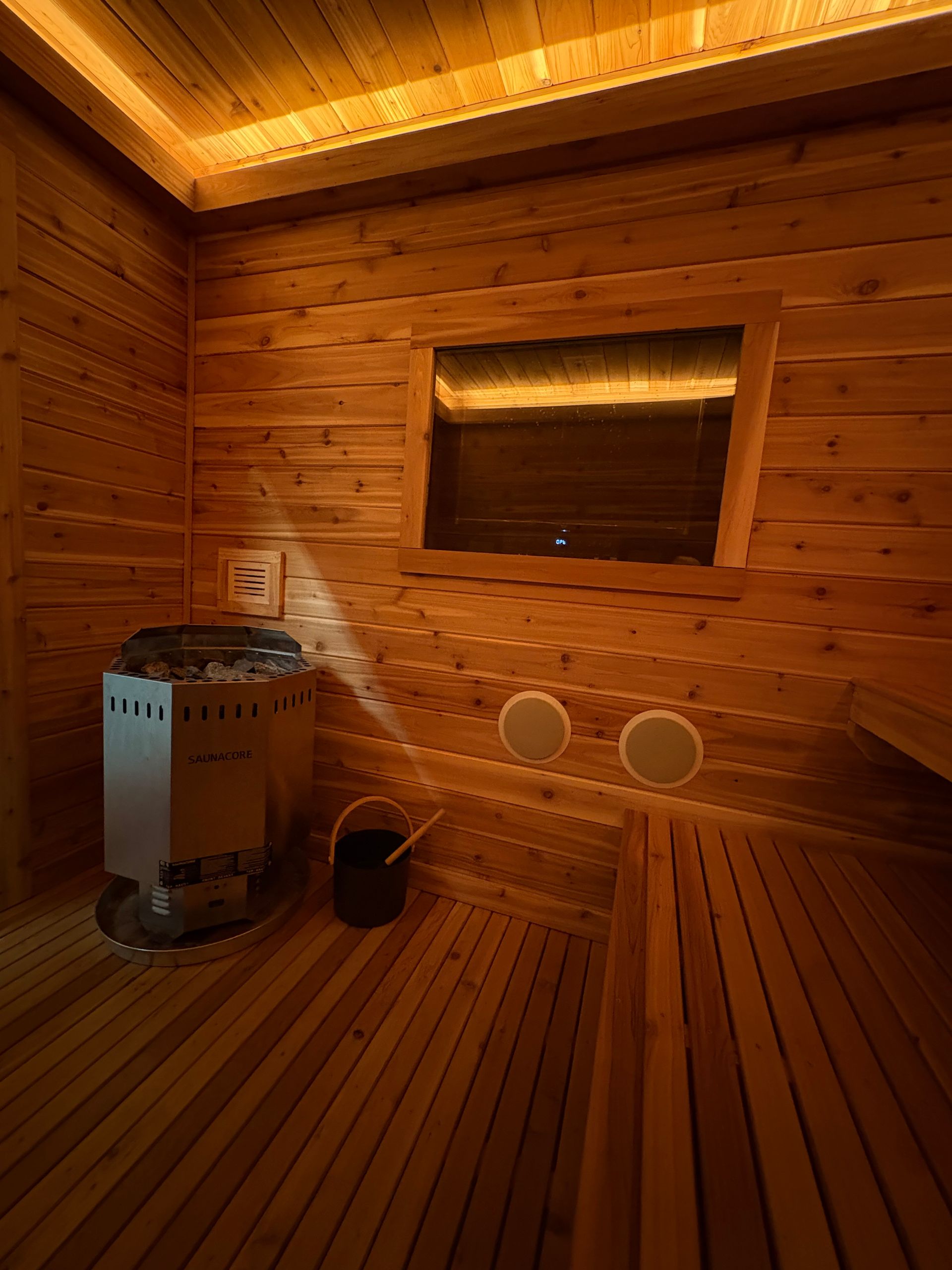
Habits decide whether a sauna helps your skin or just leaves you dehydrated. Drink a full glass of water before you go in. Keep the session to about 15 to 20 minutes while your body is still learning the heat. Go in with a clean face, since makeup and heavy sunscreen melt into your pores at that temperature. Rinse with cool water afterward, then press on a light moisturizer while your skin is still damp. Two or three sessions a week is plenty.
How to Get Real Results From a Session
Quick Answer: Acrylic is the hardest and most durable of the three — a liquid-and-powder blend that hardens through a chemical reaction, which is why it holds up best on hands that type, lift, or work all day. Gel cures under UV or LED light into a glossier, more flexible layer that moves with the nail instead of fighting it, so it tends to be the gentlest option for everyday wear. Dip powder sits in the middle: light, chip-resistant, and often good for three to four weeks with less lifting than a standard gel polish. None of the three is automatically bad for your nails. Almost every horror story about "ruined nails" traces back to how a set was removed, not which system it was.
You peeled the edge of a lifting dip manicure back on a Tuesday because it was catching on everything, and by Thursday half your thumbnail came off with it. Natural nail and all. If that sounds familiar, you already know this decision matters more than the color wall at the front of the salon.
Gel vs dip vs acrylic nails is one of the most common questions a nail tech hears, and it rarely has one right answer. It has three good answers, depending on how hard you are on your hands, how often you can get back in the chair, and how much your natural nail can take between visits. Here's what actually separates them.
Habits decide whether a sauna helps your skin or just leaves you dehydrated. Drink a full glass of water before you go in. Keep the session to about 15 to 20 minutes while your body is still learning the heat. Go in with a clean face, since makeup and heavy sunscreen melt into your pores at that temperature. Rinse with cool water afterward, then press on a light moisturizer while your skin is still damp. Two or three sessions a week is plenty.
How to Get Real Results From a Session
What Actually Separates Gel, Dip, and Acrylic Nails
The three systems aren't variations on the same idea. They're built from different materials, and that's where most of the confusion starts.
Acrylic is a liquid monomer mixed with a powder polymer, brushed on wet and left to harden on its own through a chemical reaction. No lamp required. The result is a rigid, sculpted layer strong enough to extend well past the natural nail tip, which is why acrylic has stayed the go-to for long extensions and dramatic shapes for decades.
Gel comes in two forms — gel polish, which is closer to a durable color coat, and hard gel or builder gel, which can add length like acrylic does. Either way, gel cures under UV or LED light rather than air-drying, and it stays somewhat flexible once hardened. That flex is the whole point: gel bends slightly with the natural nail plate instead of resisting every bump, which matters more than people expect.
Dip powder works differently again. A bonding base coat goes on the nail, the finger dips into colored powder, and the process repeats two or three times before a sealant locks it in. There's no lamp and no monomer smell. It's essentially a build-up of thin, glued layers rather than one cured coating, which is why dip often feels lighter than a sculpted acrylic set.
The smell and the lamp matter more to some people than the finish does. Acrylic has a stronger odor while it's being applied, and it needs no curing light at all. Gel needs a few minutes under UV or LED between coats, which is a minor inconvenience for most guests but worth mentioning if you're sensitive to sitting still under a lamp. Dip skips both issues, which is part of why it's become the default for people who found the acrylic smell unpleasant or don't want lamp time added to every visit.
Habits decide whether a sauna helps your skin or just leaves you dehydrated. Drink a full glass of water before you go in. Keep the session to about 15 to 20 minutes while your body is still learning the heat. Go in with a clean face, since makeup and heavy sunscreen melt into your pores at that temperature. Rinse with cool water afterward, then press on a light moisturizer while your skin is still damp. Two or three sessions a week is plenty.
How to Get Real Results From a Session
How Long Each Option Actually Holds Up
Durability is where most people start the conversation, and for good reason. Acrylic generally wins on raw strength — it's the least likely of the three to crack under pressure, which makes it the practical choice for anyone doing manual work, playing an instrument, or just being rough on their hands without meaning to. Expect to need a fill around the two-to-three-week mark as the natural nail grows out beneath it.
Gel polish typically runs two to three weeks before chipping starts at the tips, a bit shorter than the other two because it's thinner. Hard gel extensions last closer to what acrylic offers, just with more flex and a glossier finish that some people prefer over acrylic's harder shine.
Dip powder often lasts three to four weeks with less lifting near the cuticle than gel polish shows at the same point, mostly because the layered application creates a slightly thicker shield. It won't out-survive acrylic on sheer strength, but it holds color and shape longer than a standard gel manicure for a lot of people.
None of these numbers are guarantees. Hand-washing frequency, hot water exposure, and how much you use your nails as tools instead of nails all shift the timeline in either direction.
Habits decide whether a sauna helps your skin or just leaves you dehydrated. Drink a full glass of water before you go in. Keep the session to about 15 to 20 minutes while your body is still learning the heat. Go in with a clean face, since makeup and heavy sunscreen melt into your pores at that temperature. Rinse with cool water afterward, then press on a light moisturizer while your skin is still damp. Two or three sessions a week is plenty.
How to Get Real Results From a Session
Which Is Gentler on Your Natural Nail
This is the part that actually matters more than the wear time, and it's the part most people skip past. Between the three, soak-off gel tends to be the gentlest choice for someone who wants color or a light extension without a heavy toll on the nail plate underneath. Because it stays flexible, it doesn't put the same tension on a natural nail that a rigid acrylic overlay does every time you bump a doorframe or type too hard.
Acrylic isn't automatically damaging, but it's less forgiving. It's harder, which means more strength — and also more stress transferred to the natural nail if the set is left on too long or removed the wrong way. Dip powder lands somewhere in between: gentle in daily wear, but the multiple bonding layers can make removal slower, and slower removal often tempts people to speed things up by picking.
Tip: Ask for a soak-off gel or soak-off dip system rather than one that has to be filed or pried off. It costs you almost nothing in the appointment and protects the top layers of your natural nail far better over a year of regular visits.
Habits decide whether a sauna helps your skin or just leaves you dehydrated. Drink a full glass of water before you go in. Keep the session to about 15 to 20 minutes while your body is still learning the heat. Go in with a clean face, since makeup and heavy sunscreen melt into your pores at that temperature. Rinse with cool water afterward, then press on a light moisturizer while your skin is still damp. Two or three sessions a week is plenty.
How to Get Real Results From a Session
The Removal Step That Decides the Damage
Nobody mentions this part at the color wall, but it decides more than the system itself: the choice between gel, dip, and acrylic barely matters if the removal gets rushed or handled at home with a butter knife. Acrylic, hard gel, and dip powder all need either a proper soak in acetone or careful, gradual filing by someone trained to stop before they hit the natural nail. Ripping, peeling, or prying any of the three off takes the top layers of the nail plate with it, and that's true no matter which system was on there in the first place.
A nail that's had a rough removal looks thin, feels flexible in a bad way, and sometimes shows white patches or ridges for weeks afterward. That's not damage from the acrylic or the gel itself. It's damage from the shortcut taken to get it off.
Warning: Never peel, bite, or pry off a gel, dip, or acrylic set at home. Doing this strips the top layer of the natural nail along with the product, which is the single most common cause of thin, weak, or painful nails after wearing any of these three systems.
Habits decide whether a sauna helps your skin or just leaves you dehydrated. Drink a full glass of water before you go in. Keep the session to about 15 to 20 minutes while your body is still learning the heat. Go in with a clean face, since makeup and heavy sunscreen melt into your pores at that temperature. Rinse with cool water afterward, then press on a light moisturizer while your skin is still damp. Two or three sessions a week is plenty.
How to Get Real Results From a Session
Matching the Method to Your Hands and Your Week
Someone who works with their hands all day — gardening, cooking, lifting, cleaning — usually does better with acrylic's raw strength than with a system that flexes and chips under repeated impact. Someone prepping for one event who wants a natural-looking extension without three weeks of upkeep might lean toward gel-x or a lighter hard gel instead.
If you're someone who gets a manicure every two weeks anyway, dip powder's longer wear doesn't buy you much, and gel polish might suit your rhythm better since it's faster to remove between visits. And if your natural nails are already thin, peeling, or sensitive, gentler soak-off gel usually makes more sense than a rigid, sculpted acrylic overlay while your nails have a chance to recover.
There's no wrong system here, only a mismatch between the product and the life it's being asked to survive.
Dominant-hand wear is worth watching too. Most people chip or lift on their dominant hand first, simply because it does more of the day's small collisions — door handles, keyboards, dishes. If you notice one hand always looks rougher by week two regardless of which system you're wearing, that's normal, and it's a reasonable cue to ask your tech about reinforcing that hand specifically during your next fill.
Habits decide whether a sauna helps your skin or just leaves you dehydrated. Drink a full glass of water before you go in. Keep the session to about 15 to 20 minutes while your body is still learning the heat. Go in with a clean face, since makeup and heavy sunscreen melt into your pores at that temperature. Rinse with cool water afterward, then press on a light moisturizer while your skin is still damp. Two or three sessions a week is plenty.
How to Get Real Results From a Session
Keeping Nails Healthy Between Salon Visits
Whatever you choose, the space between appointments is where most of the long-term health gets decided. Cuticle oil applied a few times a week keeps the surrounding skin from drying out and cracking, which matters because cracked cuticles are one of the easiest ways for irritation to start under any nail enhancement. Gloves during dish washing and cleaning cut down on the water exposure that softens both natural nails and the bonds holding gel or dip in place.
Taking an occasional break between full sets — even just a few weeks with bare, moisturized nails — gives the nail plate room to rebuild thickness that gets thinned out over months of continuous wear. It's a small habit, and it's the one most people skip because it feels like giving something up rather than adding something back.
A protein-rich hand cream at night does more than a fancy serum applied once a week. Nails absorb moisture slowly, so consistency beats intensity here — a thin layer worked into the cuticle and the underside of the nail edge every evening outperforms one heavy treatment on a Sunday. Filing in one direction rather than sawing back and forth also reduces the tiny stress fractures that show up as peeling layers months later, whether or not you're wearing any enhancement at all.
Habits decide whether a sauna helps your skin or just leaves you dehydrated. Drink a full glass of water before you go in. Keep the session to about 15 to 20 minutes while your body is still learning the heat. Go in with a clean face, since makeup and heavy sunscreen melt into your pores at that temperature. Rinse with cool water afterward, then press on a light moisturizer while your skin is still damp. Two or three sessions a week is plenty.
How to Get Real Results From a Session
Frequently Asked Questions
Is dip powder actually healthier for your nails than acrylic?
Dip powder is usually lighter and more flexible than sculpted acrylic, so it stresses the natural nail less during wear. True health depends mainly on application quality and gentle removal, not the powder itself alone.
How do I know if I should switch from acrylic to gel or dip?
If your nails feel thin, unusually flexible, or show ridges after removal, that signals switching to a lighter option like soak-off gel for a while. Strong nails wanting a style change can switch freely instead.
Can you switch between gel, dip, and acrylic without damaging your nails?
Yes, switching systems is fine as long as each set is fully removed before the next goes on. Damage usually comes from layering a new set over nails thinned by a rushed prior removal process.
Why do gel manicures sometimes chip faster than dip or acrylic?
Gel polish is thinner than dip or acrylic, so it shows tip wear sooner, especially with frequent typing or hand-washing. Hard gel extensions last longer than gel polish because they're built with more structure overall.
How often should you take a break between full sets?
Giving natural nails a short break, a few weeks bare or with polish only, every three to four months works well, especially after several fills in a row. Weaker nails benefit from longer pauses each time.
Does soaking off a set at home work as well as having it removed at the salon?
Soaking off at home can be safe with care, but the real difference lies in technique. A trained tech knows when to stop filing and how long a set truly needs to soften properly each time.
Habits decide whether a sauna helps your skin or just leaves you dehydrated. Drink a full glass of water before you go in. Keep the session to about 15 to 20 minutes while your body is still learning the heat. Go in with a clean face, since makeup and heavy sunscreen melt into your pores at that temperature. Rinse with cool water afterward, then press on a light moisturizer while your skin is still damp. Two or three sessions a week is plenty.
How to Get Real Results From a Session
Choosing the Nail System That Fits You
Gel, dip, and acrylic nails each solve a different problem, and the right pick usually comes down to how your hands spend the week rather than which option sounds trendiest. Someone working with their hands all day needs more raw strength than someone wanting a light, natural look before a single event. Pay closer attention to how your nails feel after each removal than to how long the color lasted, since that detail says more about whether the system truly fits your routine.
That kind of attention is exactly what the nail team at The The Cõve Salon + Spa
in Greenville, Texas brings to every appointment, drawing on 15+ years of combined experience across gel, dip, and acrylic systems. Rather than pushing one method as universally best, the team looks at how a client's nails have held up over past sets and adjusts from there. That ongoing conversation, more than any single product, is usually what keeps natural nails healthy through years of regular visits.